Agile Project Management Fundamentals: What the Google Certificate Actually Teaches
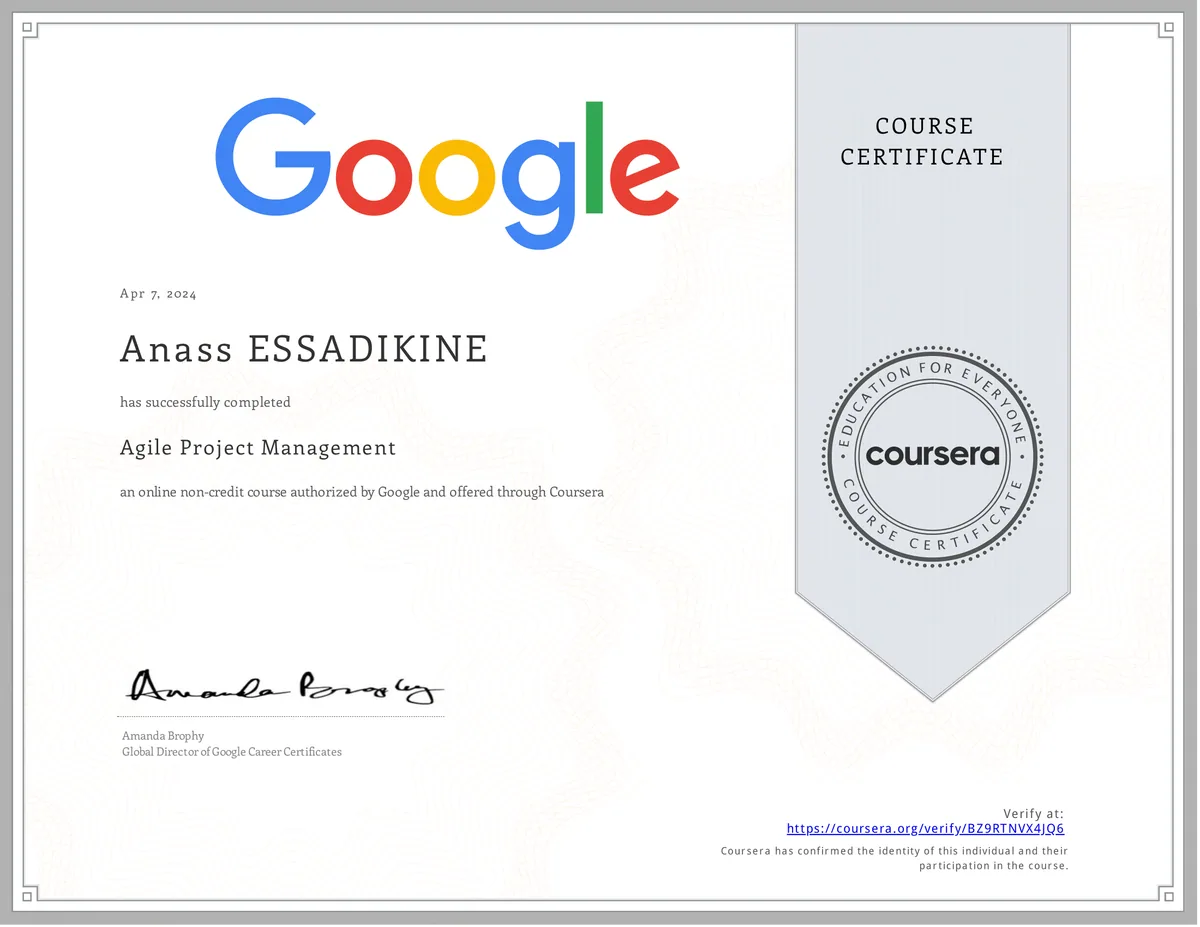
Agile Project Management Fundamentals is the Agile-focused course inside Google's Project Management Professional Certificate on Coursera, covering how Agile teams actually plan, run, and adapt their work — Scrum theory, the Scrum Master/Product Owner/Development Team roles, backlog refinement, sprint events, and the mindset shift away from rigid Waterfall planning. It's built for anyone who will operate inside a sprint cycle, whether as a developer, a Scrum Master, or a Product Owner.
For a software engineer, this matters because writing good code is only half the job — shipping it inside a team that runs sprints, a Daily Scrum, and retrospectives is the other half. This credential grounds that half in the actual vocabulary and mechanics (user stories, story points, product backlog, sprint backlog, velocity, burndown charts) that recruiters expect a hireable developer to already know.
What I learned
1The Fundamentals of Agile
Covers Agile's history and philosophy, the Agile Manifesto's four values and twelve principles, how Agile compares to Waterfall, and an introduction to Scrum theory alongside Kanban and Lean.
2Scrum 101
Examines the three pillars and five values of Scrum, then compares the Product Owner, Scrum Master, and Development Team roles and what makes each one effective on a real team.
3Implementing Scrum
The applied core of the course: building and managing a product backlog, writing user stories and epics, refining the backlog, estimating effort with T-shirt sizes and story points, running sprint planning, the Daily Scrum, Sprint Review and Sprint Retrospective, and tracking velocity with burndown charts.
4Applying Agile in the Organization
Covers value-driven delivery strategies and building a value roadmap, how to coach a team through an Agile or Scrum adoption, how Agile frameworks continue to evolve, and how to pursue Agile-focused career paths.
Tools & technologies
Applied in my projects
Building the University Housing Management System (Spring Boot, React, MySQL, Stripe, SendGrid) meant breaking a large feature set — authentication, payments, notifications — into smaller, sprint-sized chunks instead of delivering it all at once, which is exactly the backlog-driven thinking this course teaches. The Cloud Deployment with Automated CI/CD project (Jenkins, Docker, K3s, Terraform, Ansible) reflects the same iterative cadence at the infrastructure level: every pipeline change was tested and released in small, reviewable increments rather than one big-bang deployment. And the Blog Management Application (MongoDB, Express, React) grew feature by feature — posts, comments, admin roles — the way a real product backlog gets refined and delivered sprint over sprint.
Why this matters for employers
Enterprises don't just need people who can write code — they need developers who can work inside the delivery process that ships that code, and most modern software teams run on Scrum or Kanban. This credential proves I can read a product backlog, write a clear user story, size work with story points, participate in sprint planning and the Daily Scrum, and contribute meaningfully in a Sprint Retrospective rather than just observing. Paired with the full-stack and cloud engineering work in my portfolio, it signals a developer who can be dropped into an existing Agile team quickly — estimating tickets realistically, respecting sprint commitments, and tracking progress the way a Product Owner or Scrum Master expects. For a company hiring a junior-to-mid developer, that combination of technical stack fluency and process fluency shortens onboarding and de-risks the hire.
Related projects
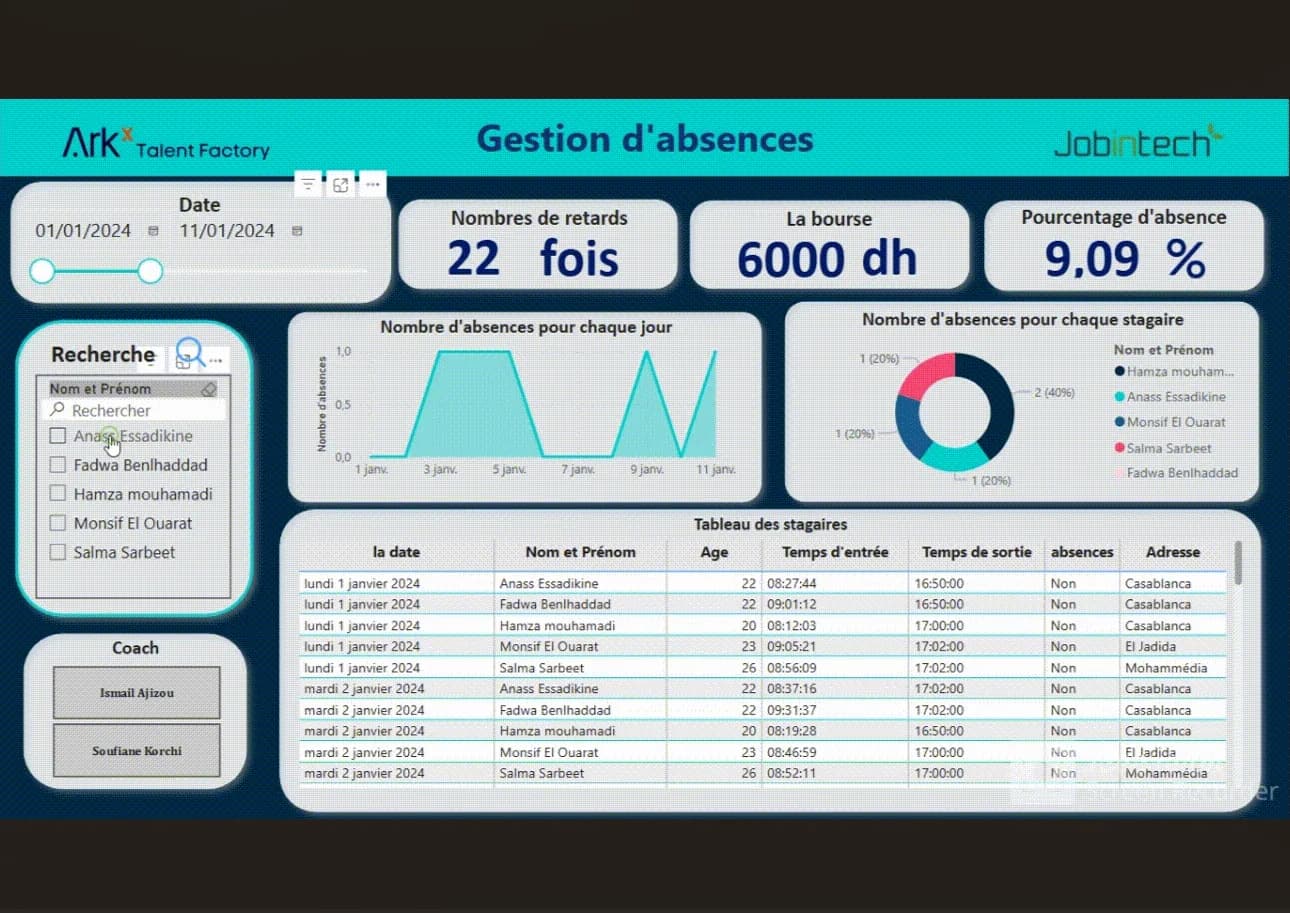 Web Development2024
University Housing Management (FSBM)
A secure platform for managing student housing requests, allocations, and payments end-to-end.
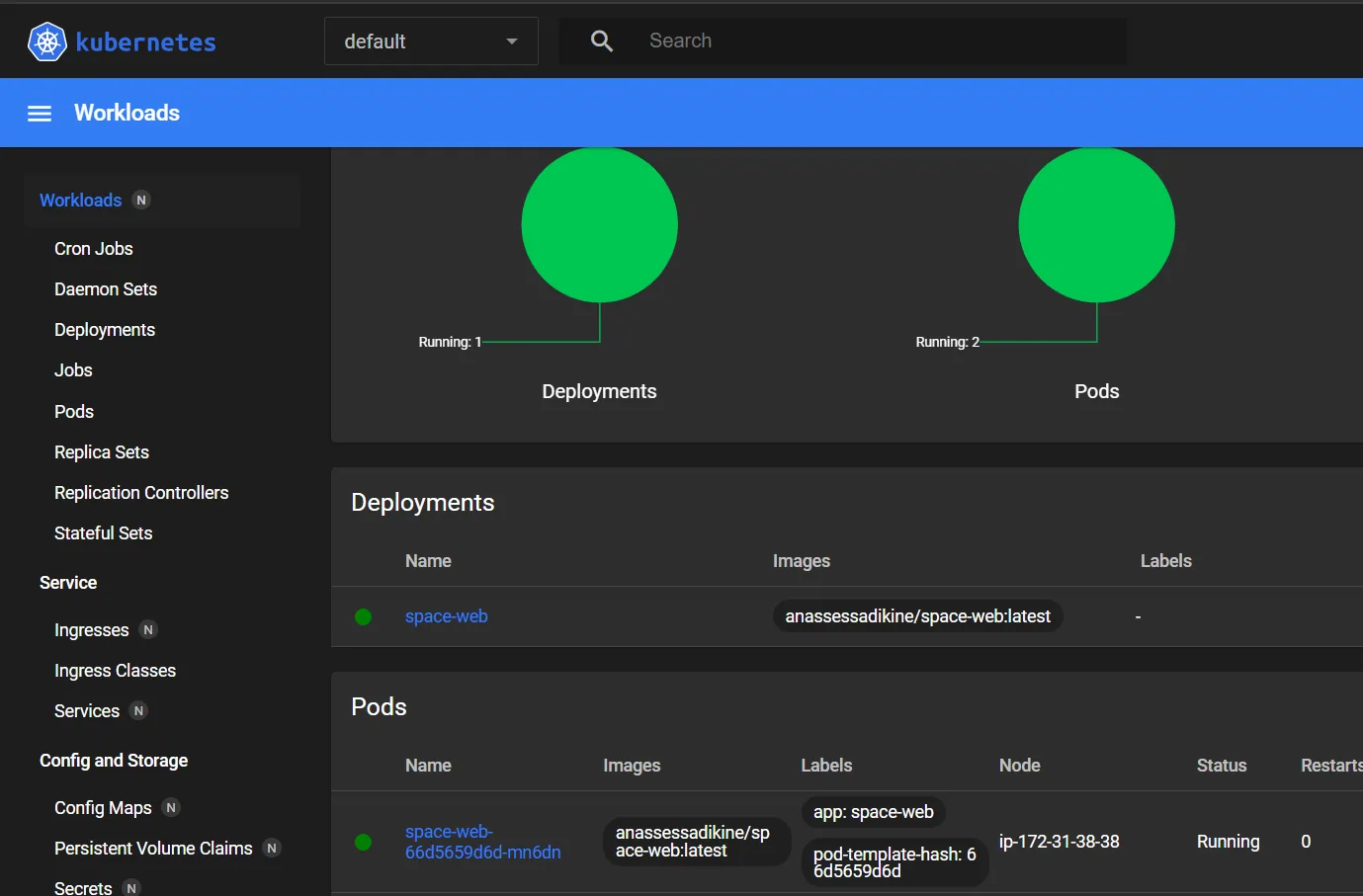 Cloud / DevOps2024
Cloud Deployment with Automated CI/CD
An end-to-end CI/CD pipeline that builds, containerizes and deploys a React app to AWS automatically.
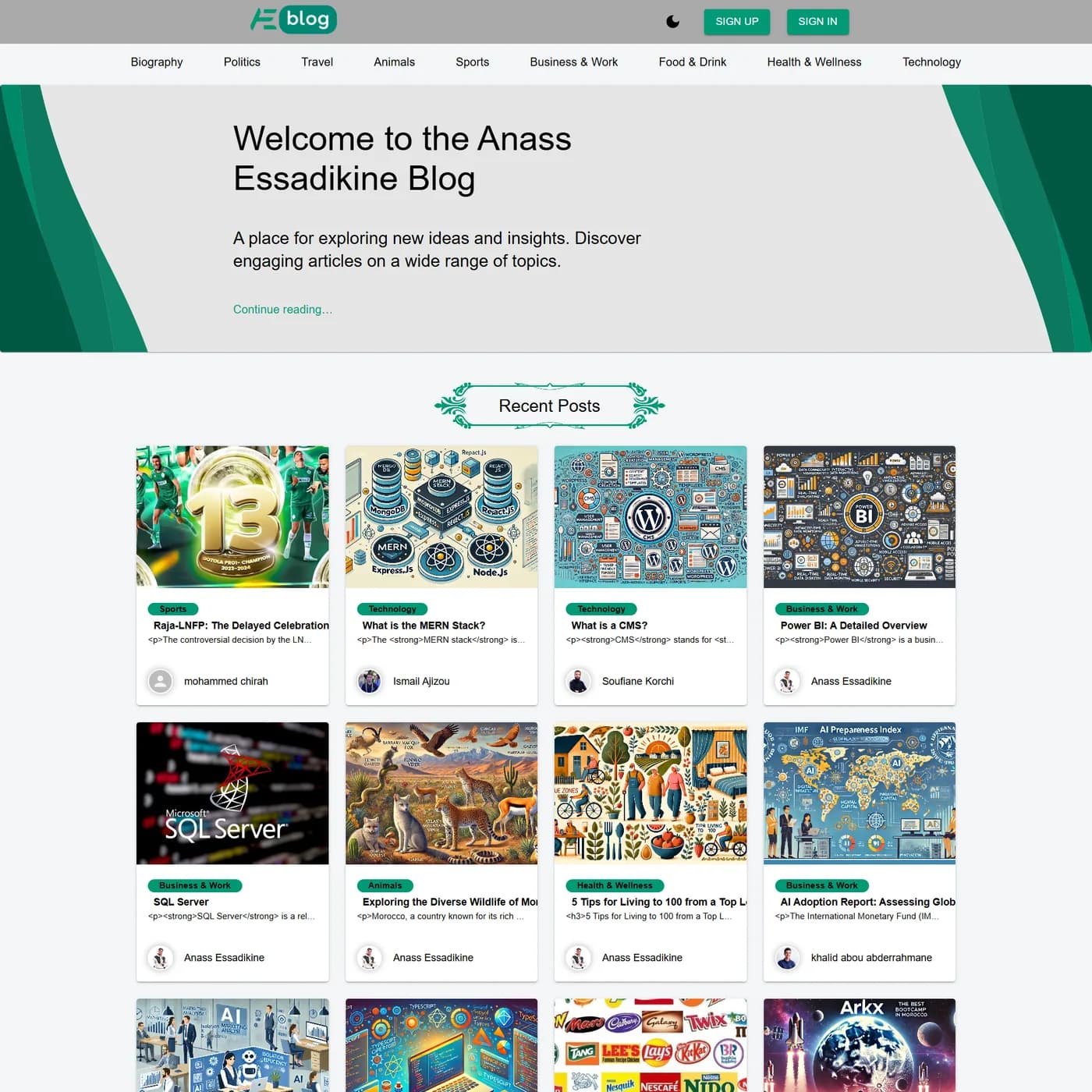 Web Development2024
Blog Management Application
A complete MERN blogging platform with authentication, content authoring and rich management.
Frequently asked questions
It's the Agile-focused course inside Google's Project Management Professional Certificate on Coursera. It teaches the Agile mindset, the Scrum framework, and how to run backlogs, sprints, and retrospectives in a real team setting.