Back-End Engineer Career Path: What I Learned Building Real APIs
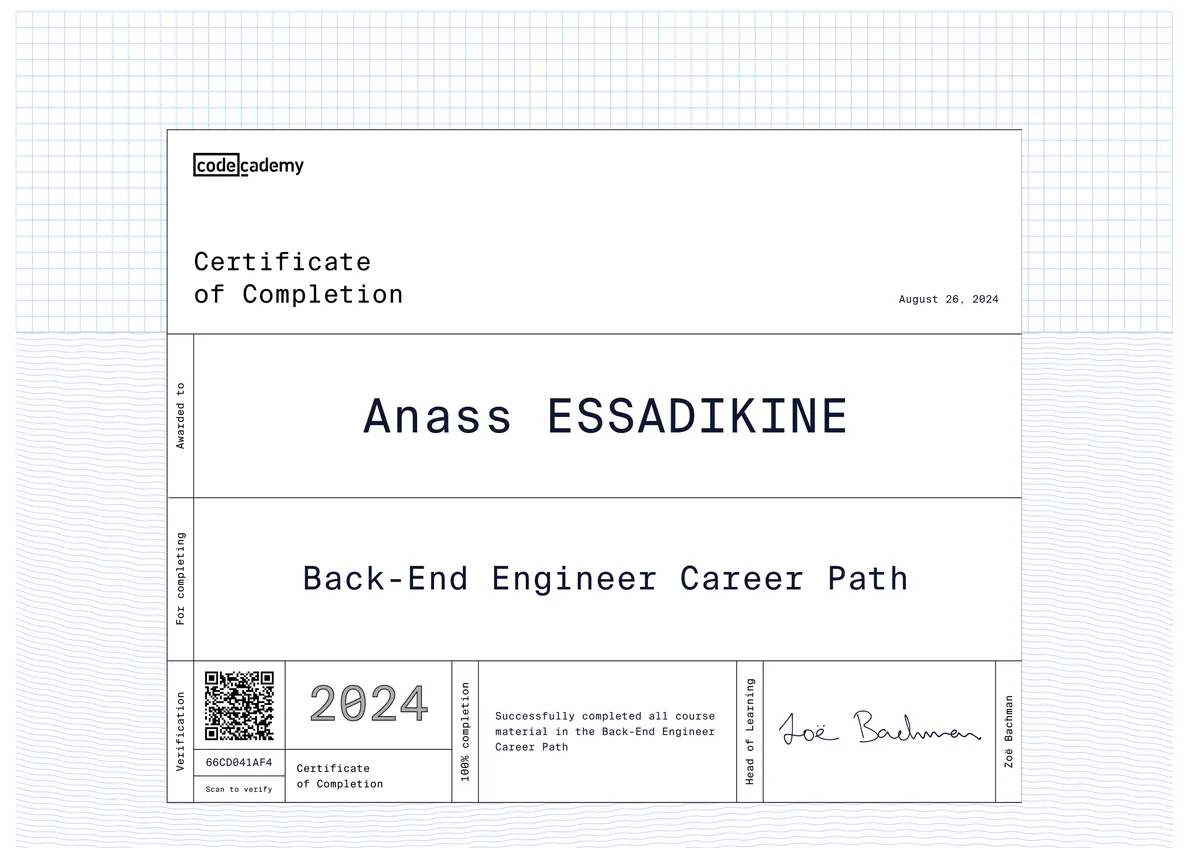
The Back-End Engineer Career Path is Codecademy's structured, project-based curriculum for server-side development — roughly 40 units and 100+ hours covering JavaScript, Node.js, SQL/PostgreSQL, Express.js, authentication, and Git, each reinforced with graded projects rather than passive video lessons. I completed it to formalize the back-end fundamentals I was already applying in my own builds: databases, APIs, and the request-response cycle underneath every web application.
For employers, this credential matters because back-end skills are hard to fake and easy to verify in an interview. It's one thing to say "I know REST APIs" — it's another to have built a CRUD API, connected it to a real PostgreSQL database, secured it with JWT authentication, and pushed the whole thing through Git. That's the bar this path sets, and it's the bar I hold my own projects to.
What I learned
1JavaScript Fundamentals (Syntax I–III + Interactive Websites)
Core JavaScript across three progressive units — variables, control flow, and functions; arrays, loops, objects, and iterators; classes, modules, and error handling — plus a unit on wiring JavaScript into interactive web pages.
2Git & GitHub Version Control
Local version control with Git and remote collaboration with GitHub — branching and commit history — applied directly in the path's first portfolio project.
3Node.js Fundamentals
Building command-line Node.js applications, working with npm and modules, and handling asynchronous JavaScript outside the browser, culminating in the graded 'Mixed Messages' console app.
4SQL & PostgreSQL
Relational database design, SQL queries and joins, and schema structuring, then connecting a PostgreSQL database directly to a Node back end so data persists beyond a single server session.
5Express.js & RESTful API Design
Building a Node/Express server with routing and middleware, implementing full CRUD (Create, Read, Update, Delete) operations, and structuring endpoints around REST conventions in the graded 'Personal Budget' project.
6Authentication & Application Security
Protecting API routes with JWT-based authentication and hashed credentials, and managing secrets via environment variables instead of hardcoding sensitive data.
7Testing & Debugging
Writing unit tests with Jest and using systematic debugging techniques to catch issues in server logic and database interactions before they reach production.
8Capstone Portfolio Projects
Two graded projects that tie the path together: 'Mixed Messages,' a Node console app versioned with Git, and the multi-part 'Personal Budget' API, first built with in-memory data and then rebuilt on PostgreSQL.
Tools & technologies
Applied in my projects
The back-end patterns from this path map directly onto my blog-management-application, an Express/Node.js and MongoDB Atlas API with a React front end — the same CRUD-over-REST structure I built in the path's Personal Budget project, adapted to a document database. They also show up in university-housing-management-fsbm, where I designed a relational MySQL schema and secured the API with JWT authentication, mirroring the SQL and auth modules from this certification even though that project runs on Spring Boot rather than Express.
Why this matters for employers
Hiring a back-end developer is a bet that someone can turn a data model into a secure, working API without hand-holding — that's exactly what this career path certifies. It shows I can design a relational database schema, build an Express server with proper routing and middleware, protect endpoints with JWT-based authentication, and version every step with Git — the request-response-database loop behind most production web apps. For an employer, that means faster onboarding: I already think in REST conventions, environment variables and secrets, input validation, and test coverage instead of learning these on the job. I've since applied the same fundamentals — SQL/relational schemas, JWT auth, CRUD APIs — in shipped projects built on Spring Boot, Node/Express, and MongoDB, showing the underlying back-end skills transfer across stacks rather than being tied to one framework.
Verified certificate
Download the official certificate for this achievement.
Related projects
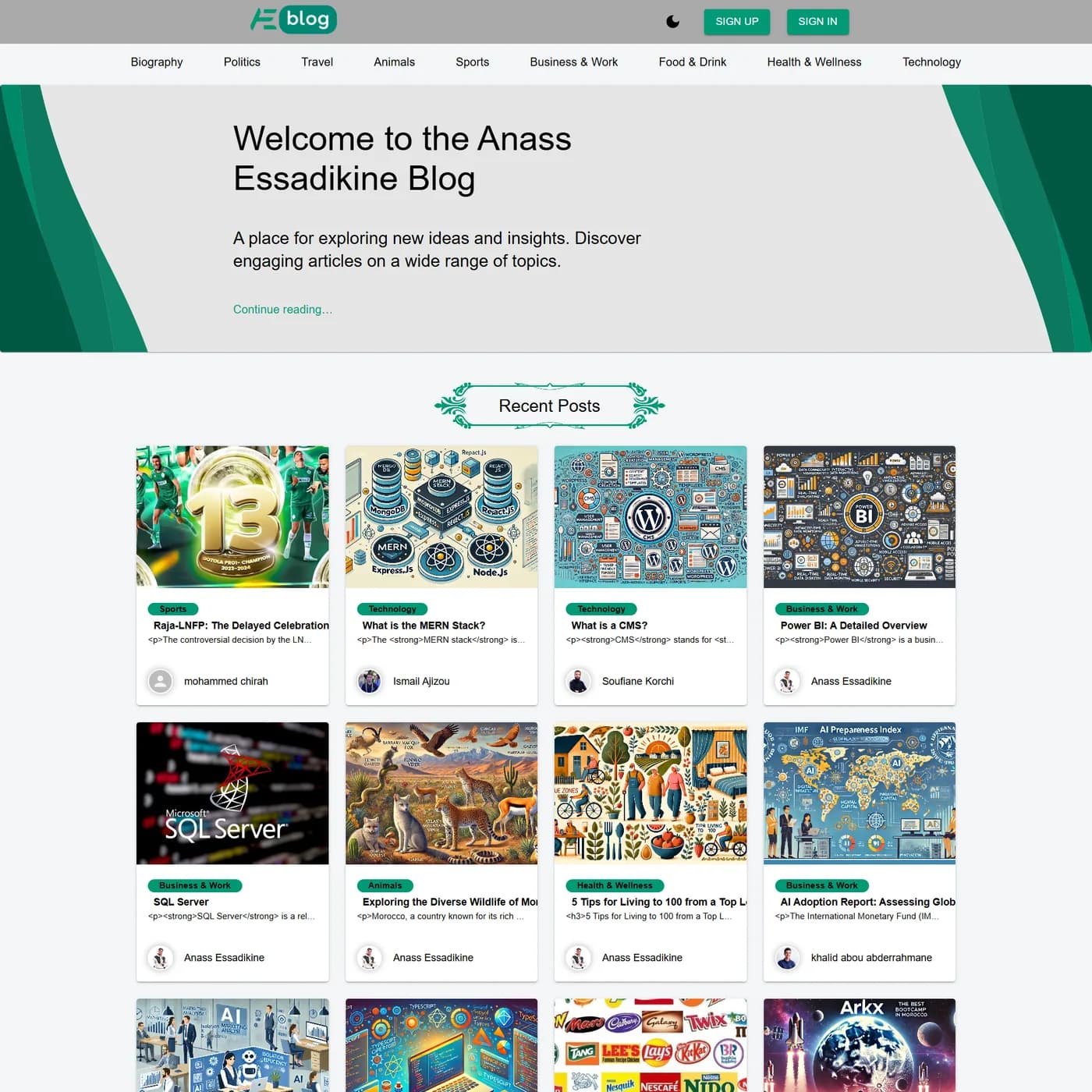 Web Development2024
Blog Management Application
A complete MERN blogging platform with authentication, content authoring and rich management.
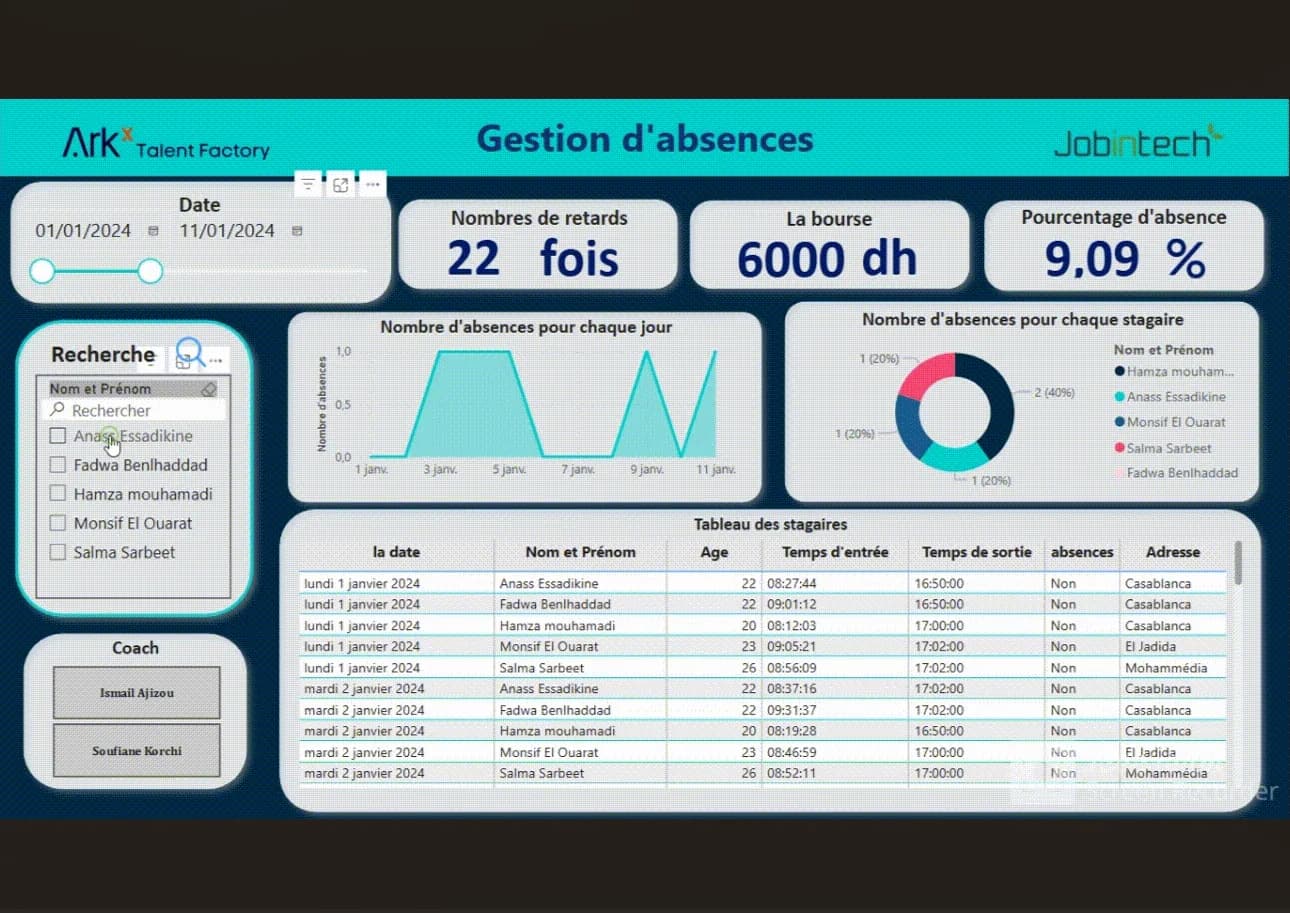 Web Development2024
University Housing Management (FSBM)
A secure platform for managing student housing requests, allocations, and payments end-to-end.
Frequently asked questions
It's a structured, project-based curriculum (roughly 40+ units, 100+ hours) that takes a learner from JavaScript fundamentals through Git/GitHub, Node.js, SQL and PostgreSQL, Express.js API development, authentication, and testing, ending in portfolio projects like a Node console app and a full Express/PostgreSQL API.